Assessing the Success of Japan Society’s First Virtual Film Festival

Assessing the Success of Japan Society’s First Virtual Film Festival

During this COVID-19 period, museums have adapted in creative ways to keep and, in the case of the Japan Society, expand its audience. Not being able to host its JAPAN CUTS film festival onsite this year, Japan Society launched its first virtual JAPAN CUTS film festival in July 2020. More people bought tickets to the virtual screenings than had attended in-person last year.

ARA had surveyed the in-theatre film audience in 2019. For this year’s festival, ARA fielded an online survey addressed to the virtual audience. We achieved a robust response rate of 28 percent. The survey found that:

  • The virtual festival expanded the reach of Japan Society: 47 percent of ticket buyers for the screenings had never been to Japan Society, including 19 percent who had not previously heard of the institution.
  • Social media posts and email from Japan Society were the primary sources of information about the festival.
  • Genre, the film’s talent, and trailers were the primary drivers for choosing films.
  • Virtually all planned to attend JAPAN CUTS next year including 60 percent who said they would watch films both in-person and online.

As part of our response to the COVID crisis, ARA conducted this study for Japan Society on a pro bono basis, as we are also doing for the Museum of the City of New York (first visitors to return after reopening) and Art Omi Sculpture & Architecture Park in Columbia County, NY.

Intelligent Digital Counting at Reopened WTC Cortlandt Street No.1 Subway Station

Intelligent Digital Counting at Reopened WTC Cortlandt Street No.1 Subway Station

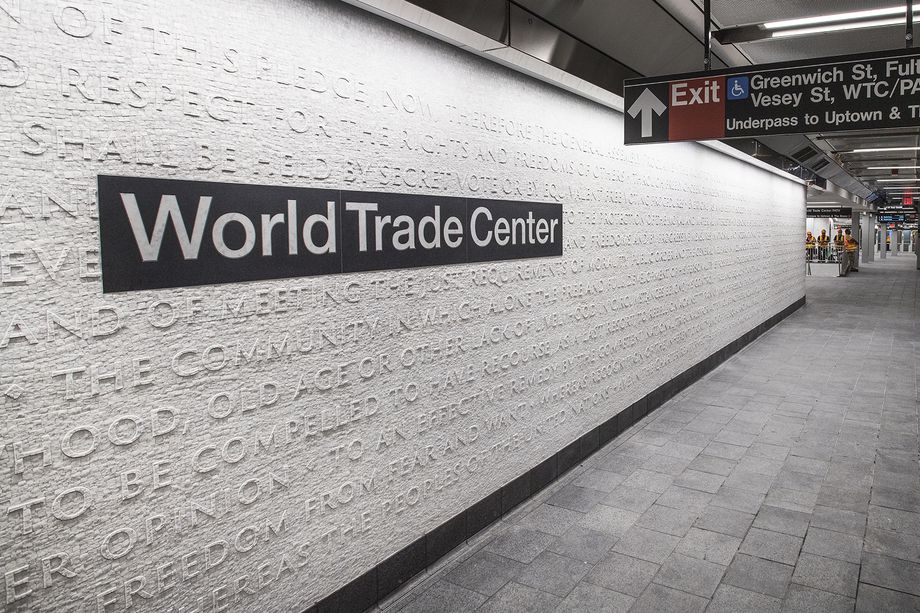
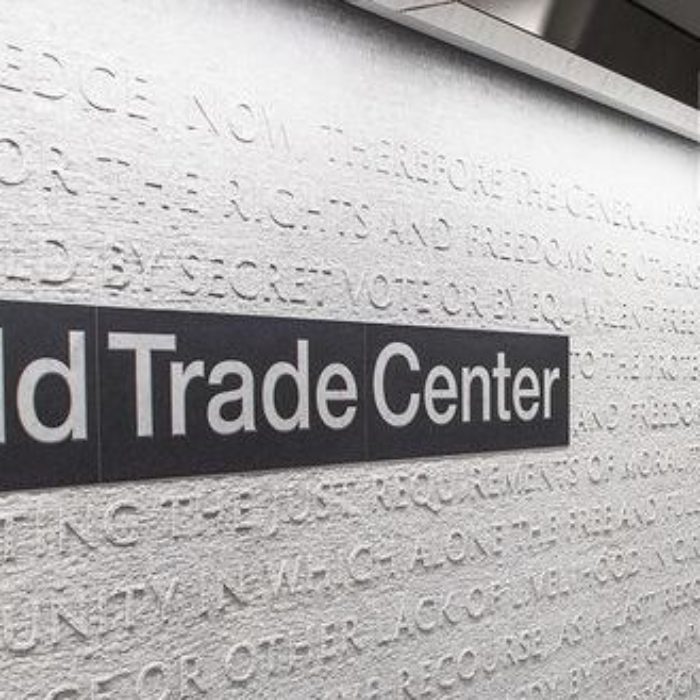
After 17 years, the Cortlandt Street subway station reopened on September 8th 2019.  Westfield World Trade Center retained ARA to deploy its Intelligent Digital Counting (IDC) system (powered by Exteros) that provides pedestrian counts as well as other measures needed by retail such as shoppers’ pace, dwell time, age and gender.  ARA located IDC cameras on two levels in the complex which tracked pedestrian traffic in two waves – before and after the reopening of the station entrances.  The results revealed a statistically significant increase in traffic after the station reopened, especially on weekdays.

Our IDC system uses artificial intelligence (AI) to interpret the data in the camera’s visual field to produce the counts, demographics, dwell time and other behavior. See more on the ARA Services page (https://audienceresearch.com/category/services/).


Queens Botanical Garden

Queens Botanical Garden


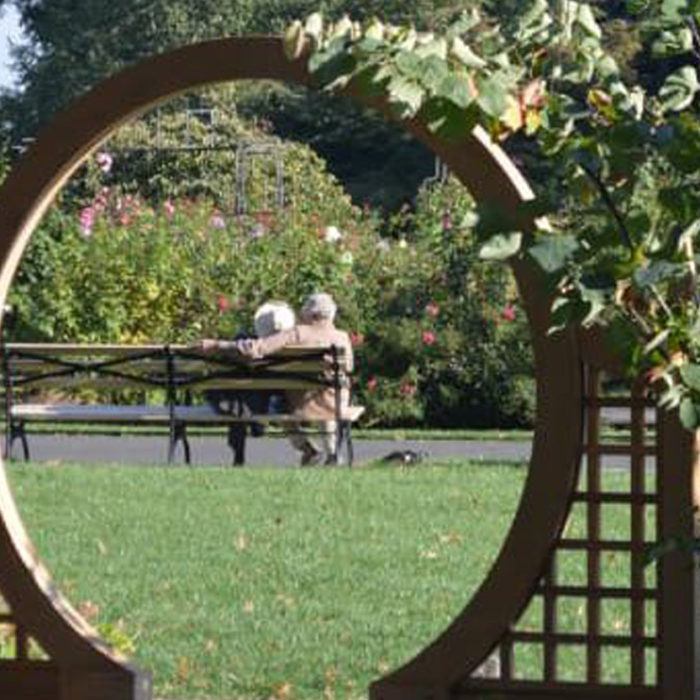
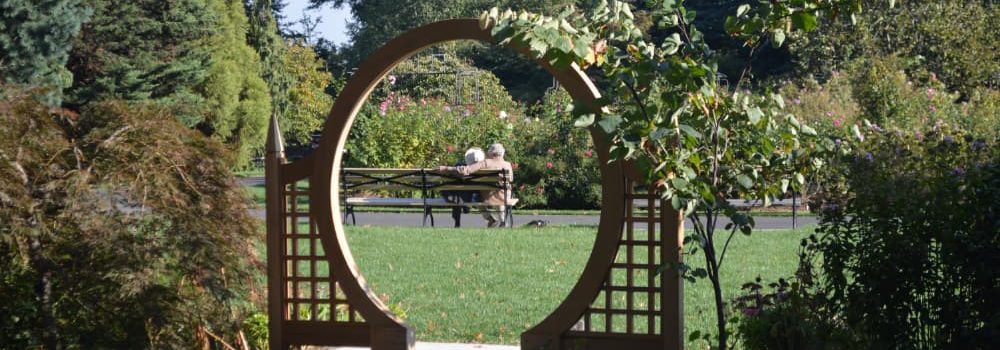
ARA surveyed 2,010 visitors between February and December 2018 to update QBG’s 2000 visitor study. Conducted in English, Chinese, Spanish, and Korean, the study revealed an even broader mix of ethnic and racial backgrounds than in the previous study. QBG now draws visitors from a wider geographic base, including increased visitation by Manhattan, Brooklyn, and Nassau County residents. Today’s audience is younger and better educated. Four out of ten who visited, visit with children under 18. Repeat visitors especially valued the relaxing environment and natural beauty of the garden displays and collections.

Surveying at Children's Garden Open House

Vision Zero: ARA Tests Public Response to Mayor’s Safety Initiative

Vision Zero: ARA Tests Public Response to Mayor’s Safety Initiative

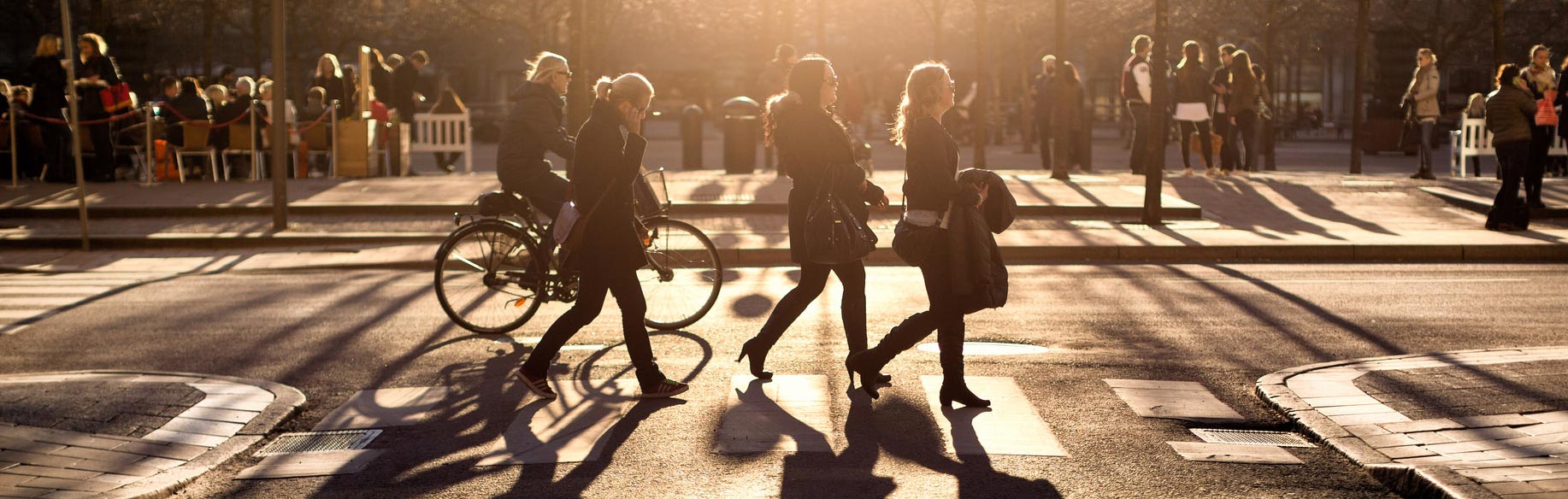
When the New York City Department of Transportation needed to gauge public awareness and response to the Mayor DeBlasio’s Vision Zero campaign to promote pedestrian and driver safety, they retained ARA to conduct a citywide poll in English, Spanish and Chinese. When former Mayor Bloomberg’s Office of Film, Theatre & Broadcasting wanted to know public awareness and attitudes toward the Made in New York campaign, they asked ARA to conduct a survey of the City’s registered voters.  With unique access to residential and commercial tenant lists, as well as registered voters in various languages, ARA helps city agencies and non-profits such as NYC & Company, NYC Department of Economic Development, Upper Manhattan Empowerment Zone, and the 9/11 Memorial & Museum understand public perception.

Whitney Museum

Whitney Museum


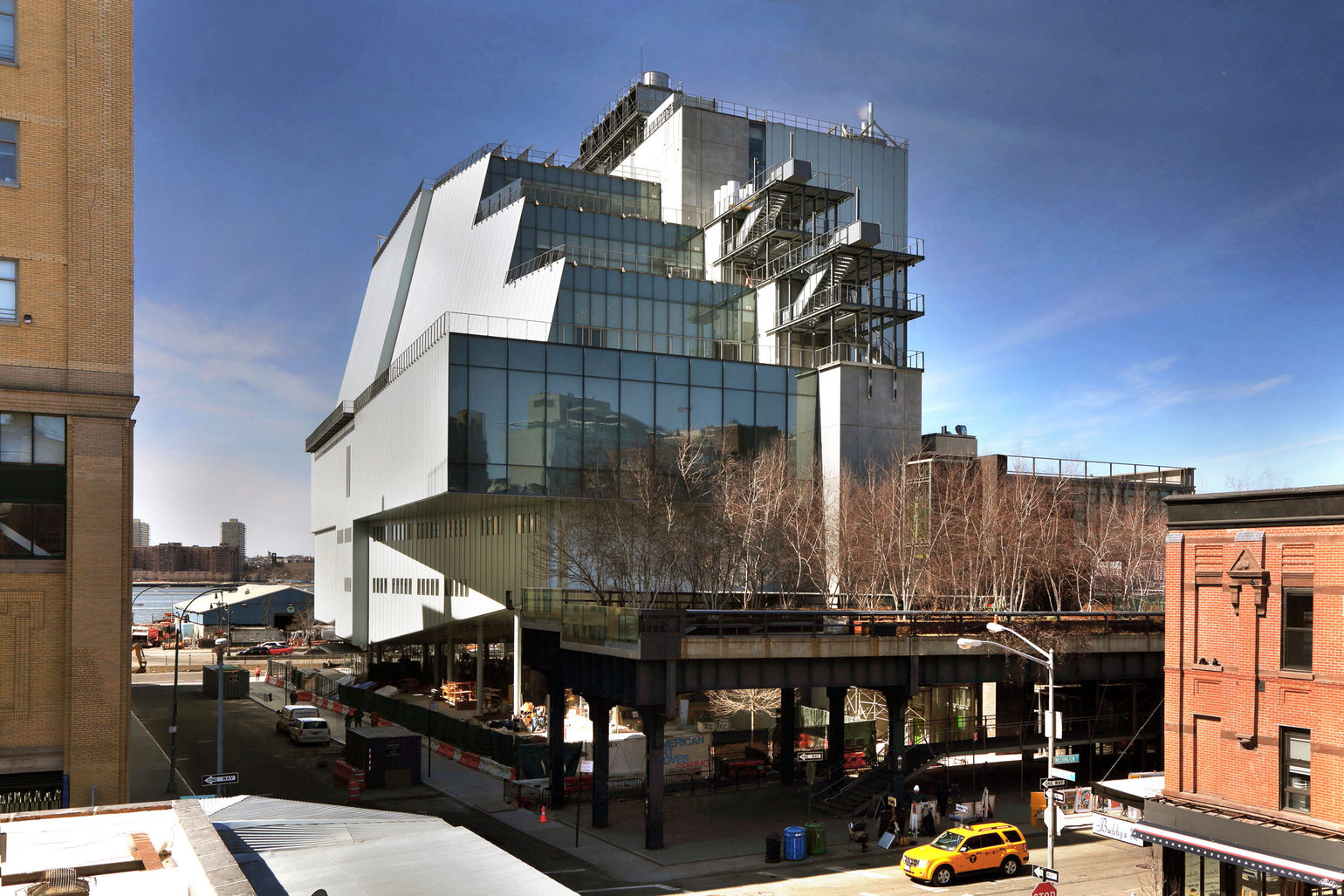
Starting with the Whitney Biennial 2006: Day for Night, and Picasso and American Art in 2007, right up through the opening exhibition in the Meatpacking District, America Is Hard to See, ARA conducted ongoing visitor research for the Whitney.  In addition, ARA helped guide the Whitney’s “engagement-extending” initiatives with real-time studies of how visitors used photography in the galleries and shared their experience on social media.  ARA broke new ground with the Whitney’s first survey on Facebook programmed to reward respondents for sharing that they took the survey on their newsfeed, thereby encouraging others to participate.

ARA conducted its first exploratory survey for the Whitney in the Meatpacking District in 2010.  Interviewing 400 visitors disembarking the High Line and at other locations along Gansevoort Street, the study explored the demographics and lifestyle of visitors as well as their awareness, knowledge of, and history of visiting the Whitney uptown and how likely they were to visit a new Whitney in the MPD.   While nothing could have predicted the successful reception the Whitney is receiving in its new home, this early data shined a light on the potential.  ARA continued studying the evolution of Whitney visitors downtown, including their interest in expanded evening hours, and overall satisfaction.


Signature Theatre

Signature Theatre


ARA has been tracking the success of the Signature Ticket Initiative since 2005. In a multi-year study of ticket buyers who first came to Signature through the Initiative, Audience Research & Analysis found that 92 percent of respondents cited the subsidized ticket price as “very” or “extremely important” in their decision to attend. By breaking down the economic barrier, the Initiative has consistently attracted new and non-traditional theatre audiences.

The ARA audience survey revealed that over a six-year period:

  • 34% of audiences were NEW to Signature;
  • 24% identified themselves as of color;
  • 15% were under 35;
  • 24% earned under $50,000 annually.

Through this 2016-17 season, ARA continues to tract the success of the initiative in attracting patrons to Signature, encouraging them to return, and inspiring them to contribute.


July 4th Fireworks in Lower Manhattan

July 4th Fireworks in Lower Manhattan

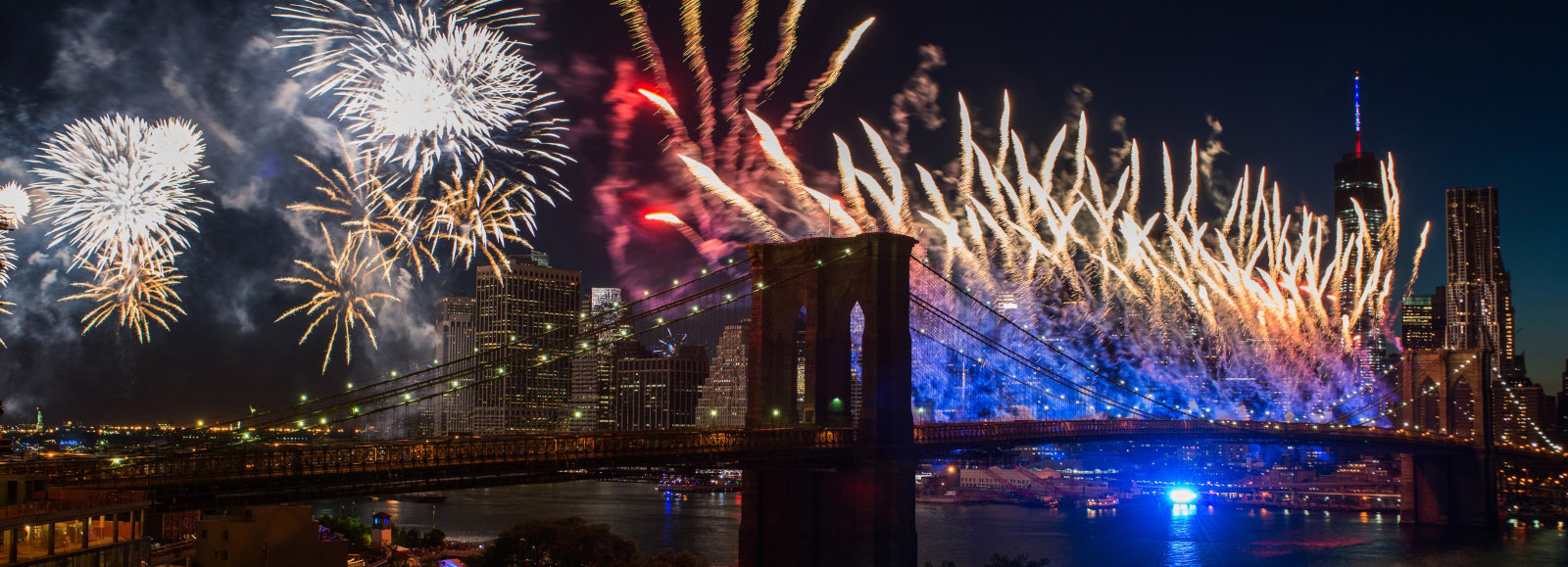
Just how many people come to see the Macy’s Fireworks on July 4th?  If you’re talking about viewing the fireworks close-up from vantage points in Lower Manhattan, the answer is 150,400.  How do we know?  ARA was asked to count all viewers on Manhattan’s east side below the Brooklyn Bridge including those on the FDR (closed six-lane highway), which pedestrians could enter after 4pm from several ramps normally used by cars.  Employing 23 counting staff plus supervisors, ARA assessed visitor traffic in a fluid environment as the NYPD moved barriers and opened different access points to control the crowd. Where crowds moved swiftly, ARA employed multiple counters at the same location, taking the average of their figures to minimize human error.  To the best of our knowledge, this is the first time a comprehensive plan has been put in place accurately measure attendance at a special event of this magnitude.

Impact of Tribeca Film Festival

Impact of Tribeca Film Festival

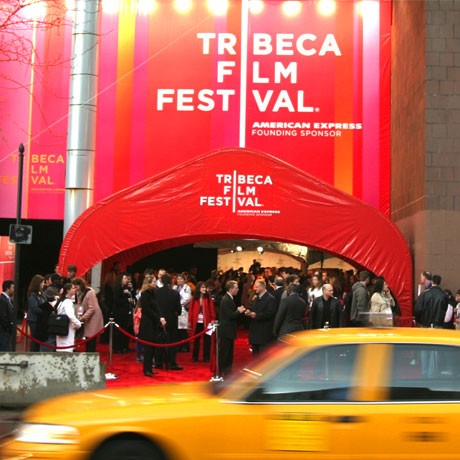
Beginning in 2005, ARA has surveyed attendees at the annual Festival covering all types of ticketed and free events including screenings, panel discussions, red carpet premieres, and the Family Festival Street Fair.

Read More
We have identified the local spending of out-of-town visitors specifically drawn to New York City to attend the Festival and, combined with the Festival’s own New York City production and labor expenses as well as local sponsor-activated expenditure.  Using this data, we estimated the annual economic and tax impacts on the City of New York.

Since its founding, the Festival has attracted 4.9 million attendees from the U.S. and abroad, and has generated more than $900 million in economic activity for New York City.

Working with the Festival’s sponsorship team, ARA has measured the incidence of ownership of products and usage of services at the nexus of entertainment and technology.  These studies of habits and lifestyles have helped the Festival identify and respond to world-class sponsors who want to be connected with this entertainment-savvy audience.  The research showed that the Festival audience offers a unique opportunity to sponsors trying to reach cutting-edge, financial-empowered individuals.

Assessing Local Business Needs During COVID-19

Assessing Local Business Needs During COVID-19

To help the recovery process, ARA supported the local business community in Columbia County, NY by conducting a survey of over 200 public and private entities to assess their status, expectations, and needs for reopening. 

We found that:

►68% of the businesses have been in operation for more than ten years.

►43% are women-owned

►90% were either temporarily closed or reduced operations

The full report can be seen here: ColumbiaComeback – Business Survey Results

As the City of Hudson entered Phase 3 and was about to inaugurate Shared Summer Streets to give businesses more outdoor space to serve customers, The Today Show broadcast this supportive story.

A Place to Heal in Safety

A Place to Heal in Safety

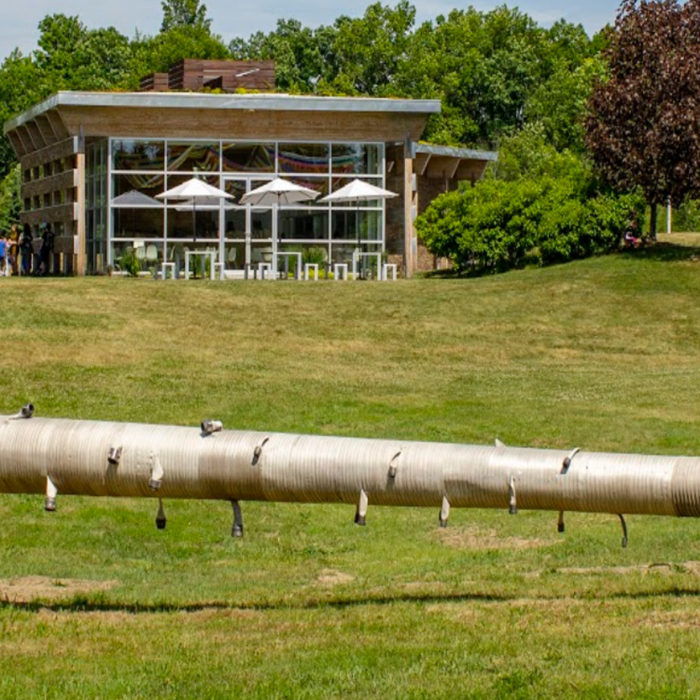
ARA conducted research for the Sculpture and Architecture Park Art Omi in Columbia County, NY.   The study helped Art Omi understand how the Park instilled a sense of peace, inspiration, thankfulness, and inspiration during the COVID-19 crisis.
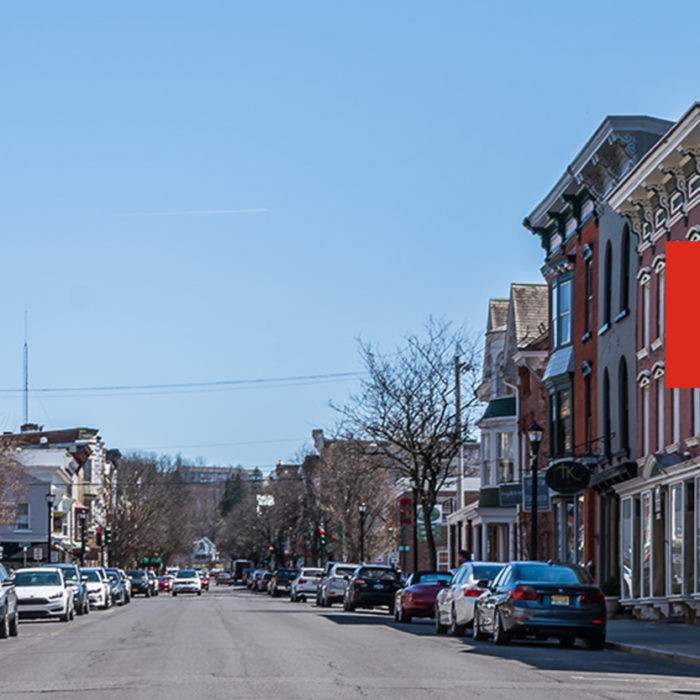
Spread over 120 acres, the Sculpture and Architecture Park at Art Omi currently offers more than 60 works of art and architecture.  With most residents and visitors to Columbia County staying at home with limited opportunity to commune with nature among other human beings, Art Omi offers a safe way to recharge.  

We conducted the pro bono research using an online survey accessed by evites and QR codes posted on the grounds.  Art Omi was interested in learning why people visited, what their experience was, and whether they were able to maintain a safe distance from others.    

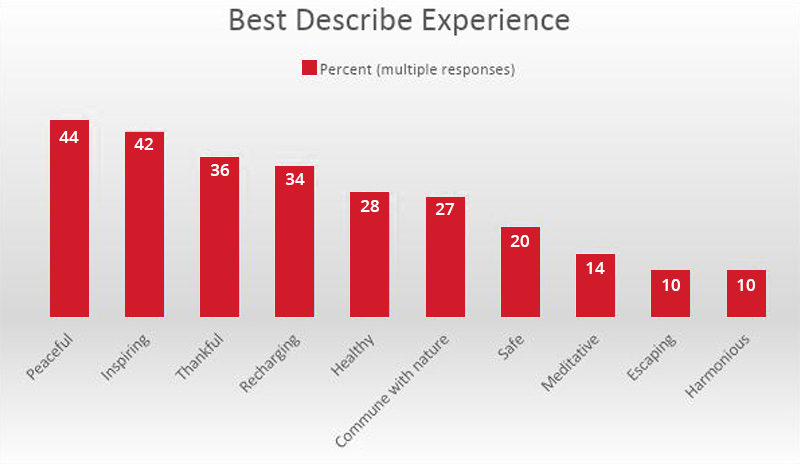
The top ten words or phrases used to describe the visitor experience were led by “peaceful” and “inspiring.”

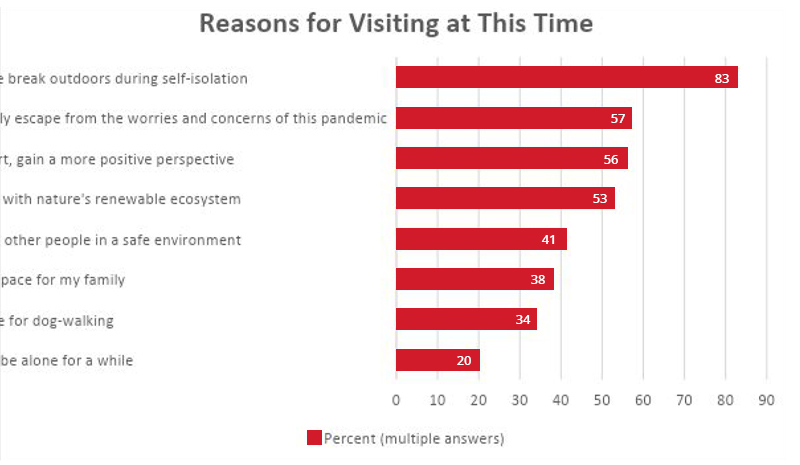
Among reasons for visiting Art Omi at this time, “taking a safe break outdoors” was chosen most often.

Ninety percent of visitors said they were “very” comfortable with maintaining a safe distance from others at Art Omi and seven percent were “somewhat” comfortable.  Only three percent were “not comfortable.”